
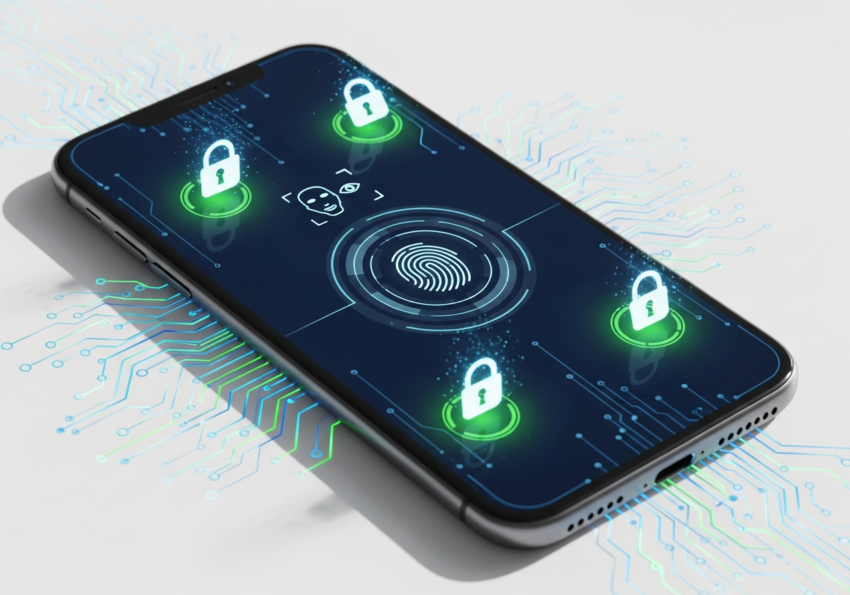
California’s regulated online gambling market has embraced cutting-edge security technologies to protect player accounts and sensitive financial information. Modern gambling apps now integrate sophisticated biometric authentication systems alongside intelligent session management features that automatically balance user convenience with robust security protocols.
These advanced security measures represent a significant evolution from traditional username-password combinations, offering players seamless access to their accounts while maintaining the highest standards of data protection. Understanding how these systems work and configuring them properly ensures both optimal security and an enhanced gaming experience.
The integration of biometric technologies with smart timeout settings creates a comprehensive security framework that adapts to individual user behavior patterns while maintaining compliance with California’s stringent regulatory requirements for player protection and responsible gambling practices.
Understanding Biometric Authentication in Gambling Apps
Types of Biometric Login Methods
Fingerprint scanning remains the most widely adopted biometric authentication method across California gambling platforms. This technology captures unique ridge patterns from your fingertip, creating an encrypted template that’s stored securely on your device rather than transmitted to external servers.
Face recognition systems utilize advanced 3D mapping technology to analyze facial features, bone structure, and skin texture patterns. These systems can distinguish between photographs and live faces, preventing unauthorized access attempts using static images.
Voice authentication analyzes vocal characteristics including pitch, tone, and speech patterns to create unique voiceprints. While less common in gambling apps, some premium platforms incorporate this technology as an additional security layer for high-value transactions.
Security Benefits and Implementation
Biometric authentication eliminates the risks associated with forgotten passwords, stolen credentials, and brute force attacks. Your biological characteristics cannot be easily replicated or shared, providing inherent security advantages over traditional authentication methods.
The implementation process typically involves initial enrollment where the app captures multiple samples of your chosen biometric data. This redundancy ensures reliable recognition even when minor variations occur due to environmental factors or natural changes over time.
Modern gambling apps employ local biometric processing, meaning your fingerprint or facial data never leaves your device. The app simply receives confirmation that authentication was successful, maintaining your privacy while ensuring secure access to your gambling account.
Session Timeout Configuration and Management
Automatic Timeout Settings
| Activity Level | Timeout Duration | Security Level | Re-authentication Required |
|---|---|---|---|
| Active Gaming | 30-60 minutes | Standard | Biometric |
| Account Management | 15-30 minutes | High | Full Authentication |
| Financial Transactions | 5-15 minutes | Maximum | Multi-factor |
| Browsing/Research | 60-120 minutes | Low | Biometric |
| Inactivity | 10-30 minutes | Variable | Quick Biometric |
Customizable Security Preferences
Most gambling apps allow players to adjust timeout settings within regulatory parameters to match their individual security preferences and usage patterns. Conservative users can opt for shorter timeout periods, while frequent players might prefer extended sessions with periodic re-authentication prompts.
Advanced apps implement adaptive timeout algorithms that learn from your behavior patterns, automatically adjusting session lengths based on factors like time of day, location consistency, and typical gaming duration. This intelligent approach maintains security while reducing authentication fatigue.
Emergency logout features provide additional protection by allowing immediate session termination from any device. If you suspect unauthorized access, remote logout capabilities ensure your account remains secure even if your primary device is compromised.
Platform-Specific Implementation Differences
iOS Integration Features
iPhone and iPad gambling apps leverage Apple’s Secure Enclave technology to process biometric data locally without exposing sensitive information to the gambling platform or third parties. Touch ID and Face ID integration provides seamless authentication that feels natural within the iOS ecosystem.
Apple’s biometric APIs ensure consistent user experience across different gambling apps while maintaining the highest security standards. The system automatically handles edge cases like multiple failed attempts, wet fingers, or changed appearance due to facial hair or accessories.
iOS apps can implement sophisticated session management that integrates with system-level security features, automatically locking sessions when the device enters certain power states or when other security-sensitive apps are accessed.
Android Customization Options
Android gambling apps offer greater flexibility in biometric implementation, supporting various fingerprint sensors, facial recognition systems, and even iris scanning on supported devices. This diversity allows operators to optimize authentication methods for their specific user base.
The Android Biometric API provides standardized access to different authentication methods while allowing apps to specify security levels and fallback options. Users can typically choose between convenience-focused quick authentication or security-prioritized strong authentication modes.
Custom ROM compatibility and device-specific optimizations ensure reliable biometric performance across the fragmented Android ecosystem. Apps often include diagnostic tools to help users optimize their biometric settings for best performance with gambling platforms.
Best Practices for Account Security
Optimal Configuration Strategies
- Enable multiple biometric methods when available to ensure consistent access even if your primary authentication method fails
- Set timeout periods that match your typical gaming sessions while prioritizing security for financial transactions
- Regularly update biometric templates, especially after significant changes to appearance or if you notice recognition issues
- Configure automatic logout for extended inactivity periods, particularly when using shared or public devices
- Enable push notifications for session activities to monitor unauthorized access attempts in real-time
- Utilize geolocation-based security features that require additional authentication when accessing accounts from new locations
Troubleshooting Common Issues
Recognition failures often stem from environmental factors like bright lighting, screen protector interference, or temporary changes to your biometric characteristics. Most apps include sensitivity adjustment options and alternative authentication methods to maintain account access.
Battery optimization settings on Android devices sometimes interfere with background session monitoring, potentially causing premature logouts or delayed timeout responses. Whitelisting gambling apps in power management settings resolves these conflicts.
Network connectivity issues can disrupt session synchronization between your device and gambling servers. Apps typically cache authentication status locally while queuing security updates for transmission once connectivity resumes, ensuring seamless operation during temporary outages.
Regulatory Compliance and Privacy Protection
California Gaming Commission Requirements
| Requirement Category | Minimum Standard | Implementation Method |
|---|---|---|
| Authentication Strength | Two-Factor Minimum | Biometric + Device PIN |
| Session Monitoring | Continuous Activity Tracking | Automated Behavioral Analysis |
| Data Protection | Local Storage Only | Device Secure Element |
| Timeout Enforcement | Maximum 4 Hours | Graduated Timeout Tiers |
Privacy and Data Handling Standards
California’s Consumer Privacy Act extends comprehensive protection to biometric information collected by gambling platforms. Operators must implement explicit opt-in consent processes and provide clear explanations of how biometric data will be used, stored, and eventually destroyed.
Biometric templates stored on gambling platforms undergo regular security audits and must meet or exceed banking-industry encryption standards. Many operators implement zero-knowledge architectures where biometric matching occurs entirely on user devices, eliminating server-side storage risks.
User rights include the ability to review, modify, or delete biometric profiles at any time without affecting account access through alternative authentication methods. Transparency reports detail data handling practices and any security incidents that might affect user privacy.
Future Developments and Emerging Technologies
Advanced Authentication Methods
Behavioral biometrics represent the next evolution in gambling account security, analyzing unique patterns in how users interact with their devices. These systems monitor typing rhythms, screen pressure, scrolling patterns, and device orientation habits to create continuous authentication profiles.
Multi-modal biometric systems combine multiple authentication factors simultaneously, requiring both facial recognition and fingerprint verification for high-security transactions. This approach significantly reduces false positive rates while maintaining user convenience for routine activities.
Artificial intelligence integration enables predictive authentication systems that assess risk levels based on contextual factors like location, time, typical betting patterns, and device characteristics. These smart systems can automatically adjust security requirements based on calculated risk assessments.
Regulatory Evolution and Industry Trends
California gaming regulators are actively developing updated guidelines for emerging biometric technologies, including standards for AI-driven authentication systems and privacy protections for behavioral data collection. These evolving regulations will likely influence implementation strategies across the industry.
Cross-platform biometric sharing initiatives aim to create seamless authentication experiences across multiple gambling operators while maintaining strict privacy controls. Players could potentially use unified biometric profiles across different licensed platforms with appropriate consent mechanisms.
Integration with broader digital identity frameworks may eventually allow gambling platforms to leverage verified biometric credentials from government agencies or financial institutions, streamlining onboarding processes while enhancing security and age verification capabilities.